Get Tree Cabling Service
Tree cabling services help property owners stabilize and support weak or damaged branches and limbs, preventing breakage and damage through professional installation by local contractors.
Tree cabling services are essential for property owners looking to maintain the health and stability of mature or valuable trees on their land. Proper cabling can help support branches that are at risk of splitting or breaking, reducing potential damage to property and ensuring safety. For those planning landscape improvements or managing existing trees, exploring local contractors who specialize in tree cabling offers practical solutions to preserve the longevity and appearance of their trees.
Property owners in the area often consider tree cabling to address specific concerns such as heavy or weak limbs, storm damage prevention, or the need to support trees during growth. Comparing the options available among local service providers can help identify experienced professionals capable of delivering reliable and effective solutions. Continuing to explore these services can assist in making informed decisions that support the health and safety of trees and surrounding property.
- Tree Cabling Installation - when supporting weak or damaged branches to prevent breakage.
- Tree Cabling Inspection - for evaluating the stability of existing cabling systems and identifying potential issues.
- Tree Cabling Replacement - needed when existing cabling has deteriorated or failed, requiring professional replacement.
- Tree Cabling Maintenance - to ensure ongoing support and prevent future damage in mature or valuable trees.
- Tree Cabling Removal - when cabling is no longer effective or necessary, and removal is required for safety or health reasons.
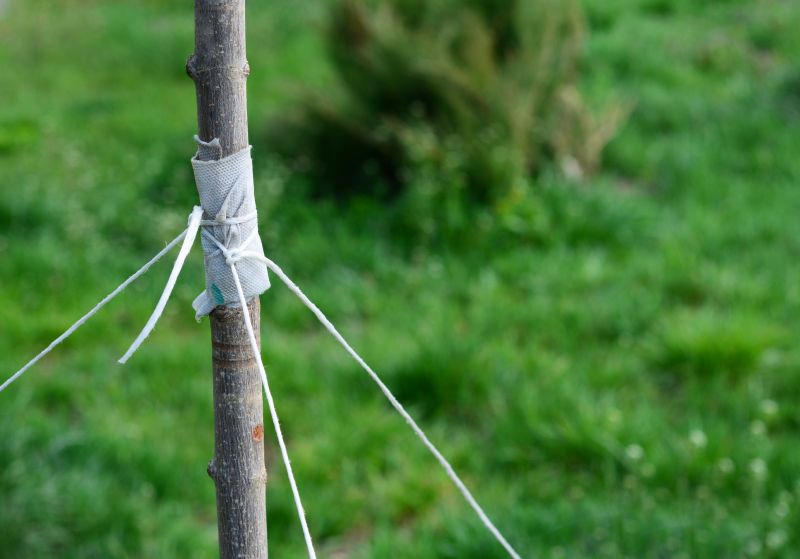
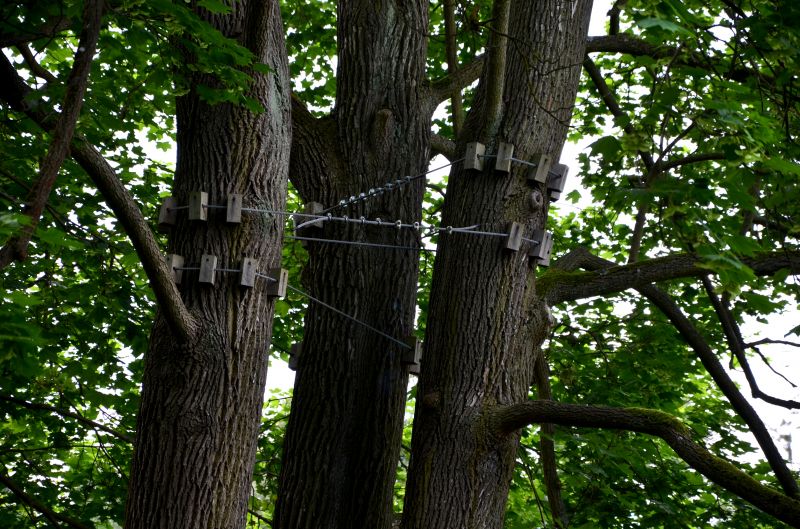
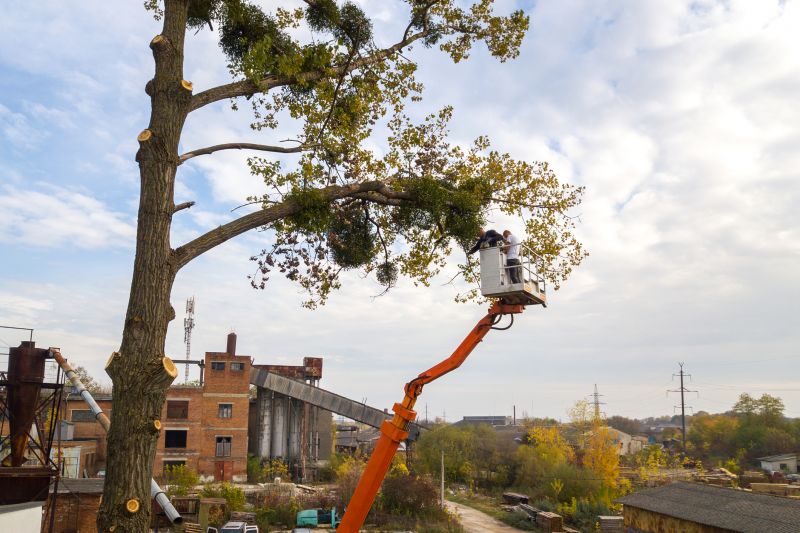
Tree cabling services involve installing specialized support systems to stabilize and reinforce trees, especially those with weak branches or structural issues. This process typically includes attaching cables or rods to the tree’s limbs and trunk to provide additional strength and prevent breakage. The goal is to maintain the health and safety of the tree while reducing the risk of limbs falling, which could cause property damage or injury. Professional contractors use careful assessment and appropriate materials to ensure that the cabling supports the tree’s natural growth and minimizes stress on its structure.
This service is especially helpful in addressing common problems such as heavy or weak branches that are prone to breaking during storms or high winds. Trees with previous damage, cracks, or signs of decay can benefit from cabling to prevent further deterioration. Additionally, trees that are located near homes, driveways, or other structures often require support to avoid potential damage from falling limbs. Tree cabling can also be used to correct structural issues that might otherwise lead to the need for removal, offering a safer alternative for preserving mature trees.
Properties that typically utilize tree cabling services include residential homes with large or aging trees, commercial properties with landscaped grounds, and parks or public spaces where safety and aesthetics are a priority. Homeowners who notice leaning trees, cracked branches, or asymmetrical growth may consider cabling to improve stability. Likewise, property managers and landscape professionals often rely on this service to maintain the safety and appearance of trees in high-traffic or sensitive areas. The service helps prolong the life of trees while reducing liability concerns associated with falling limbs.
When considering tree cabling, property owners should look for experienced local service providers who understand the specific needs of different tree species and structural conditions. Proper installation by skilled contractors ensures that the cables provide effective support without harming the tree’s health. Whether dealing with mature trees that show signs of weakness or planning preventative measures for valuable landscape assets, professional tree cabling can be a practical solution. Contacting local contractors can help determine if this service is appropriate for specific trees and property needs.
The overview below groups typical Tree Cabling Service projects into broad ranges so you can see how smaller, mid-sized, and larger jobs often compare in your area.
In many markets, a large share of routine jobs stays in the lower and middle ranges, while only a smaller percentage of projects moves into the highest bands when the work is more complex or site conditions are harder than average.
Smaller Repairs - Most routine tree cabling jobs cost between $250 and $600. These projects typically involve adding support to a few branches or securing a single tree. Many local contractors handle jobs within this range regularly.
Medium-Sized Projects - Larger, more complex tree cabling services usually fall in the $600-$1,500 range. These jobs often include multiple trees or more extensive support systems. Projects in this band are common for established landscapes needing reinforcement.
Large or Complex Installations - Extensive tree cabling work, such as supporting large, mature trees or multiple-site projects, can range from $1,500 to $3,500. These tend to be less frequent but are necessary for high-value or high-risk trees requiring detailed support.
Full Replacement or Major Reinforcement - Very large or intricate tree cabling projects can exceed $5,000, especially when involving multiple trees or custom engineering. Such projects are less common and typically involve significant structural modifications or specialist assessments.
Actual totals will depend on details like access to the work area, the scope of the project, and the materials selected, so use these as general starting points rather than exact figures.
Tree Pruning and Trimming - this service involves shaping and maintaining trees, requiring similar planning and tools as tree cabling to ensure health and safety.
Tree Removal Services - safely removing trees involves understanding tree structure and using specialized equipment, skills also used in installing cabling systems.
Storm Damage Tree Repair - repairing and stabilizing damaged trees involves assessing structural integrity, akin to planning cabling to support weak branches.
Landscape Tree Planting - planting new trees requires careful site assessment and planning, skills that complement cabling installation for mature trees.
Tree Health Assessments - evaluating tree health and stability involves inspection techniques similar to those used in planning cabling to prevent failure.
Utility Line Clearance - trimming trees near utility lines involves precise pruning and planning, comparable to installing cables for tree support and safety.
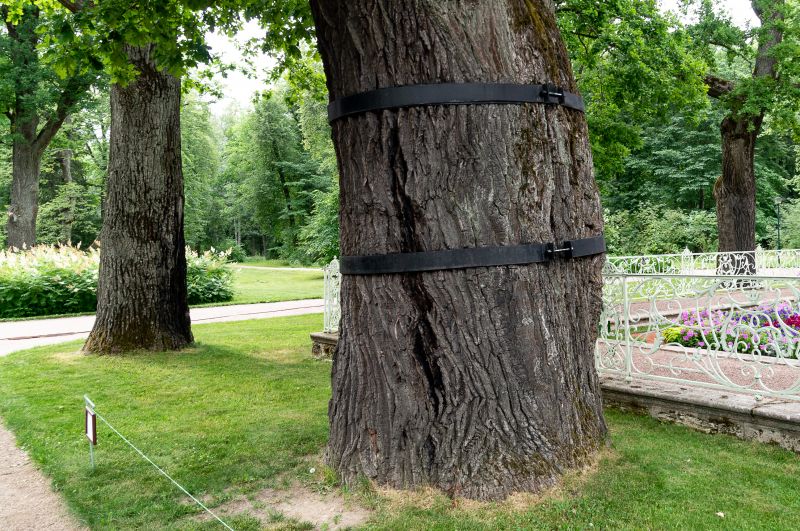
When comparing service providers for tree cabling, it’s important to consider their experience with similar projects. Look for local contractors who have a proven track record of handling tree cabling or related tree support services. An experienced professional will understand the nuances of working with different tree species, sizes, and conditions, which can influence the quality and longevity of the cabling work. Asking for details about their past projects or seeking references can help gauge their familiarity with the specific challenges that might arise in your landscape.
Clear written expectations are essential to ensure that both parties are aligned on the scope of work, materials to be used, and any other relevant details. Reputable service providers should be willing to provide a detailed written estimate or proposal that outlines what will be done, how it will be accomplished, and what the deliverables are. This documentation helps prevent misunderstandings and provides a basis for comparison among different local contractors. A transparent approach to expectations demonstrates professionalism and a commitment to clarity.
Good communication and reputable references are key indicators of a reliable tree cabling service provider. When evaluating local pros, consider how promptly and clearly they respond to inquiries and whether they are willing to provide references from previous clients. Speaking with past customers can offer insights into the quality of work, professionalism, and how well the contractor manages projects from start to finish. Remember, this site introduces homeowners to local options and does not perform the work itself, so taking the time to gather this information can help identify the best fit for your tree support needs.
Property owners use Tree Cabling Service services for practical projects around their homes and businesses. This guide focuses on everyday jobs and straightforward project options.
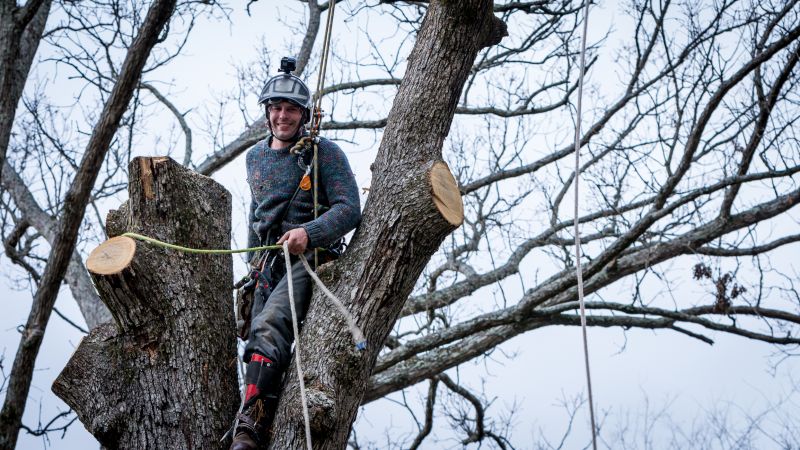
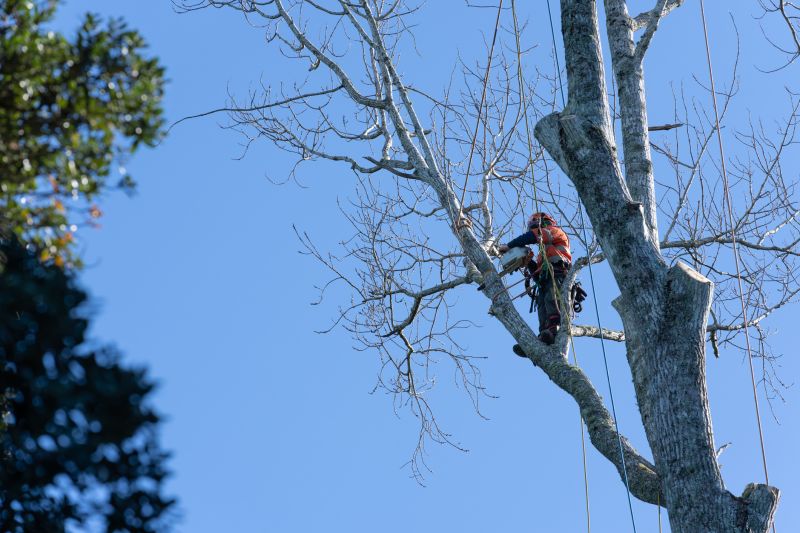
Tree cabling services are often needed when property owners notice large or mature trees showing signs of instability or structural issues. In everyday situations, this might involve supporting limbs that are at risk of breaking or preventing damage to nearby structures, such as homes, fences, or power lines. Local contractors specializing in tree cabling can assess the condition of trees and install supportive cables to help maintain their stability, reducing the risk of falling branches during storms or high winds.
Homeowners and property managers may also seek tree cabling services to preserve valuable or aesthetically important trees that have developed structural weaknesses over time. When trees have multiple trunks or asymmetrical growth patterns, local service providers can install cabling systems to evenly distribute weight and provide extra support. This helps prolong the life of the trees while minimizing potential hazards to people and property nearby.
What is tree cabling service? Tree cabling service involves installing supportive cables and braces to help stabilize and protect trees that have structural weaknesses or are at risk of damage.
Why might a tree need cabling? A tree may require cabling if it has large, heavy branches, splits, or weak points that could pose a safety hazard or lead to tree failure.
How do local contractors perform tree cabling? Local tree service providers assess the tree's condition, determine the appropriate cabling system, and install cables to provide structural support without harming the tree.
Is tree cabling a permanent solution? Tree cabling is designed to provide ongoing support but may require periodic inspections and adjustments by a professional to ensure effectiveness.
What types of trees can benefit from cabling services? Many types of mature or large trees with structural issues can benefit from cabling, especially those near buildings, walkways, or high-traffic areas.
Tree Support and Stability - Local contractors can install cable systems to help support weak or leaning branches, reducing the risk of damage during storms.
Tree Health and Growth Management - Tree cabling can be used to guide the growth of large or heavy branches, promoting healthier development.
Property Protection - Cabling services help prevent falling branches from causing damage to structures, vehicles, or pedestrians.
Tree Preservation in Landscaping - Service providers can assist in maintaining the aesthetic appeal and safety of mature trees in residential or commercial landscapes.
If you are thinking about Tree Cabling Service for a property, this guide is meant to help you understand the work, the typical project types, and how different options might fit your plans.
When you are ready, you can use the quote form on this page to share a few details about your project. From there, local pros can review the basics and respond with options that match what you have in mind.